
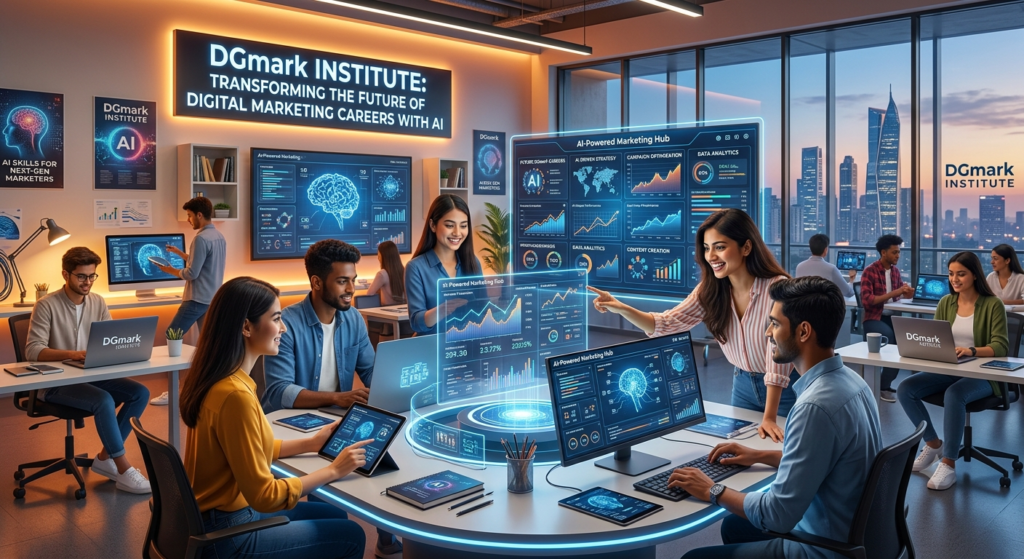
Artificial intelligence is changing how businesses approach digital marketing. From creating content and researching keywords to analyzing advertising campaigns, AI tools are helping marketers complete many tasks more efficiently. This has raised an important question among students, freshers, and working professionals: Will AI replace digital marketers, or will it create new career opportunities?
The answer depends on how professionals adapt to these changes. AI can automate certain repetitive activities, but businesses still need people who understand customer behaviour, develop marketing strategies, create meaningful content, and make decisions based on campaign performance.
For learners exploring digital marketing as a career, understanding these changes can help them identify the skills and specializations worth developing.
How AI Is Changing Digital Marketing
AI is becoming part of several digital marketing activities. Marketers can use AI-powered tools to generate content ideas, organize keyword research, analyze campaign data, and identify patterns in audience behaviour.
In search engine optimization (SEO), AI can assist with topic research and content planning. In social media marketing, it can help generate post ideas and captions. In paid advertising, automation can support bidding, targeting, and campaign optimization.
However, AI-generated results are not always accurate or suitable for every business. Marketers must review the information, understand the target audience, and ensure that their decisions support the campaign’s objectives.
Rather than replacing every marketing role, AI is changing the way many marketing tasks are performed.
Digital Marketing Careers to Explore in 2026
As businesses continue to invest in their online presence, learners can explore different digital marketing specializations. Career opportunities vary according to experience, practical skills, location, and employer requirements.
1. Search Engine Optimization Specialist
SEO specialists work to improve a website’s visibility in search engine results. Their responsibilities may include keyword research, on-page optimization, technical SEO, content planning, and performance monitoring.
AI can assist with research, but marketers still need to understand search intent, website quality, and what makes content useful to readers.
2. Content Marketing Specialist
Content marketers plan and create material that informs audiences and supports business goals. Their work may include blog articles, website content, social media posts, and marketing campaigns.
AI can help with brainstorming and drafting, while human creativity, editing, fact-checking, and audience understanding help make the final content relevant and trustworthy.
3. Social Media Marketing Specialist
Social media specialists manage content calendars, develop platform-specific strategies, engage with audiences, and evaluate performance.
Although AI can help generate captions and content ideas, marketers still need to understand trends, brand communication, and audience preferences.
4. Google Ads and Performance Marketing Specialist
Performance marketers manage paid campaigns and monitor metrics such as clicks, leads, conversions, and advertising costs.
Automation can support campaign delivery, but professionals must still understand campaign objectives, budgets, conversion tracking, and return on advertising spend.
5. Digital Marketing Analyst
Digital marketing analysts evaluate data from websites, advertising platforms, and other marketing channels. They use this information to identify opportunities and recommend improvements.
AI can assist with data analysis, but interpreting results accurately and connecting them to business decisions remain important skills.
What Skills Will Digital Marketers Need in the AI Era?
Learning individual tools is useful, but a strong understanding of marketing fundamentals is equally important. Beginners should focus on developing a combination of technical, analytical, and creative skills.
Some valuable areas to explore include:
- SEO: Keyword research, search intent, on-page SEO, and website optimization.
- Content marketing: Content planning, writing, editing, and audience research.
- Social media marketing: Content strategy, audience engagement, and performance analysis.
- Google Ads: Campaign setup, targeting, budgeting, and conversion tracking.
- Analytics: Understanding marketing metrics and identifying improvement opportunities.
- AI tools: Using AI responsibly, checking facts, and improving productivity.
- Communication: Explaining ideas clearly and connecting marketing activities to business objectives.
These skills can help learners understand not only how to use marketing tools but also why particular strategies work.
How Can Beginners Start a Digital Marketing Career?
Starting a digital marketing career can feel challenging when there are many platforms and tools to learn. A structured approach can make the process more manageable.
First, understand the fundamentals of SEO, social media marketing, content marketing, paid advertising, and analytics. Then practise these skills through sample projects, such as creating a content calendar, preparing an SEO plan, or developing a mock advertising campaign.
Building a portfolio is another useful step. It allows beginners to demonstrate their work and explain the objectives, methods, and results of their projects. Practice projects should be clearly identified as such rather than presented as real client work.
Learners who prefer structured guidance can explore the official DGmark Institute website to review the institute’s digital marketing training options. They can also visit its online digital marketing course page to check the available programmed information and determine whether it matches their learning goals.
Before enrolling in any course, prospective students should verify the current curriculum, fees, batch timings, practical assignments, and available career support directly with the institute.
Will AI Create New Opportunities for Digital Marketers?
AI is creating new ways for marketers to research, produce, and evaluate campaigns. It is also increasing the importance of understanding how technology affects search behaviour, content quality, customer experience, and advertising performance.
Professionals who can combine marketing knowledge with responsible AI use may be better prepared to adapt to changing industry requirements. However, no tool or course can guarantee a particular job or salary. Career progress also depends on practical experience, communication skills, portfolio quality, and the ability to solve business problems.
The most useful approach is to treat AI as a tool that supports marketing work rather than a substitute for learning the fundamentals.
Conclusion
AI is changing digital marketing, but the future of the industry is not simply a choice between humans and machines. Businesses still need people who can understand customers, create effective strategies, evaluate performance, and use technology responsibly.
For students and beginners, this is an opportunity to develop practical skills, experiment with AI tools, and build a portfolio that demonstrates their abilities. By continuing to learn and adapting to new technologies, aspiring marketers can prepare themselves for the changing digital marketing landscape.